467 | Why Your Budget May Need Adjustments Throughout the Year with Katie Wilson, The Good Twin [Part 2]
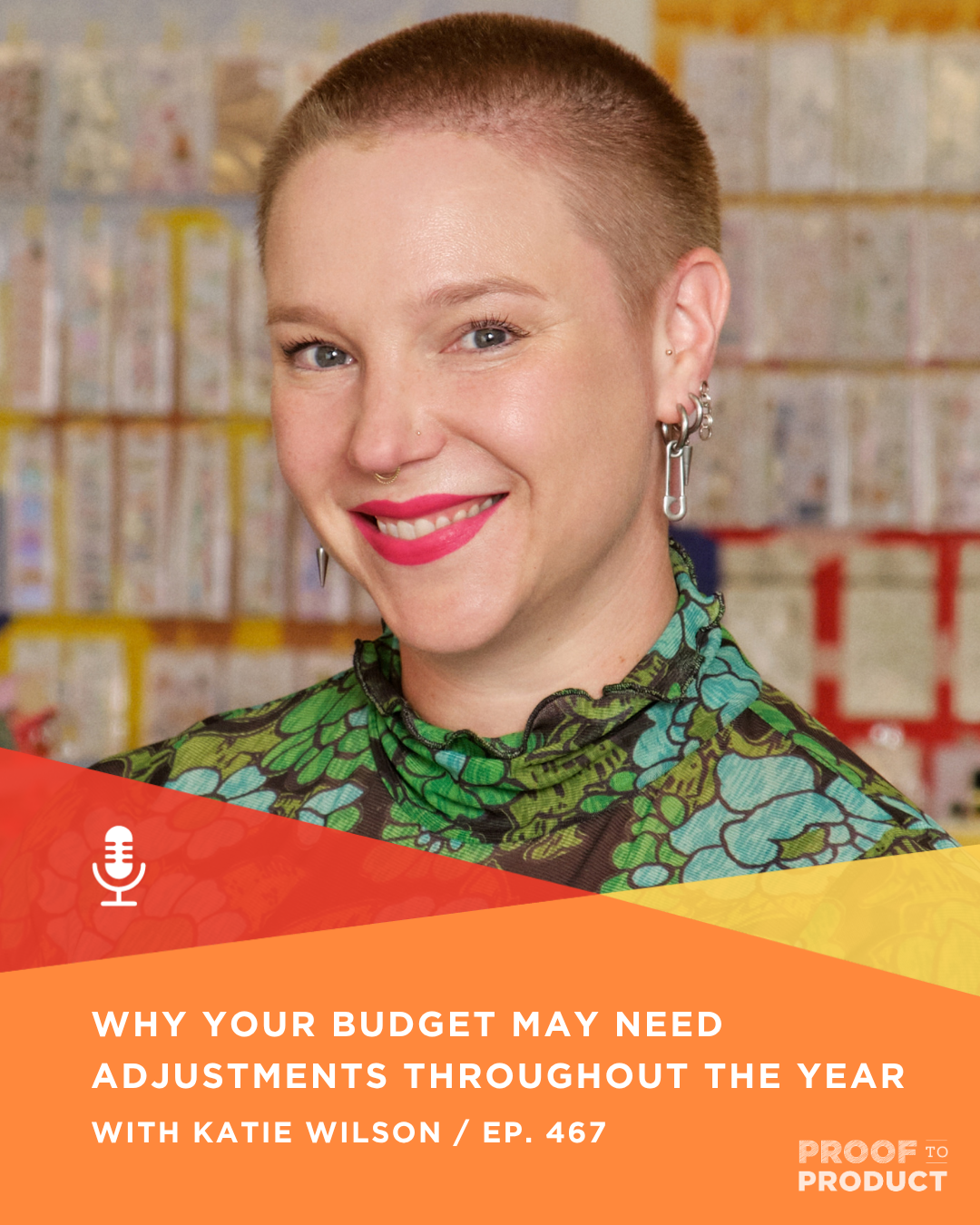
How do you make spending decisions that keep a product business sustainable and profitable year after year? In Part 2 of my conversation with Katie Wilson of The Good Twin and Crush and Touch Art Supply, we talk about money.
Katie walks through her yearly budgeting process, from projecting sales to setting aside funds for new products, and explains why she treats her budget as a living plan rather than something to set and forget. She also shares why she keeps her team small and well-paid, and why she believes the world needs more good small business jobs.
In this episode, you’ll learn:
How Katie projects her sales for the year ahead
How she allocates money for new product development
How she sets her non-negotiable expenses
Why she’s paid herself through payroll since day one
Why your budget is a plan that may need adjusting throughout the year, not something set in stone
Why she keeps fulfillment in-house instead of using a 3PL
Why she believes in keeping her team small and well-paid, and creating good small business jobs
Listen to part 1 at http://prooftoproduct.com/466 or wherever you get your podcasts. Katie talks about product trend cycles and creative fulfillment, and explains why your bestsellers deserve to stick around.
Today's episode is brought to you by our Retailer Roundtable interview series.
To make a strong first impression with wholesale buyers, we need to do a few things well.
We need to make it easy for stores to purchase from us
We need clear pricing and terms and conditions
We need to build strong relationships with our customers
All of that gets easier when we listen to our customers. This on-demand interview series gives you a window into what buyers want and need from you, and it's only $27.
MEET KATIE WILSON
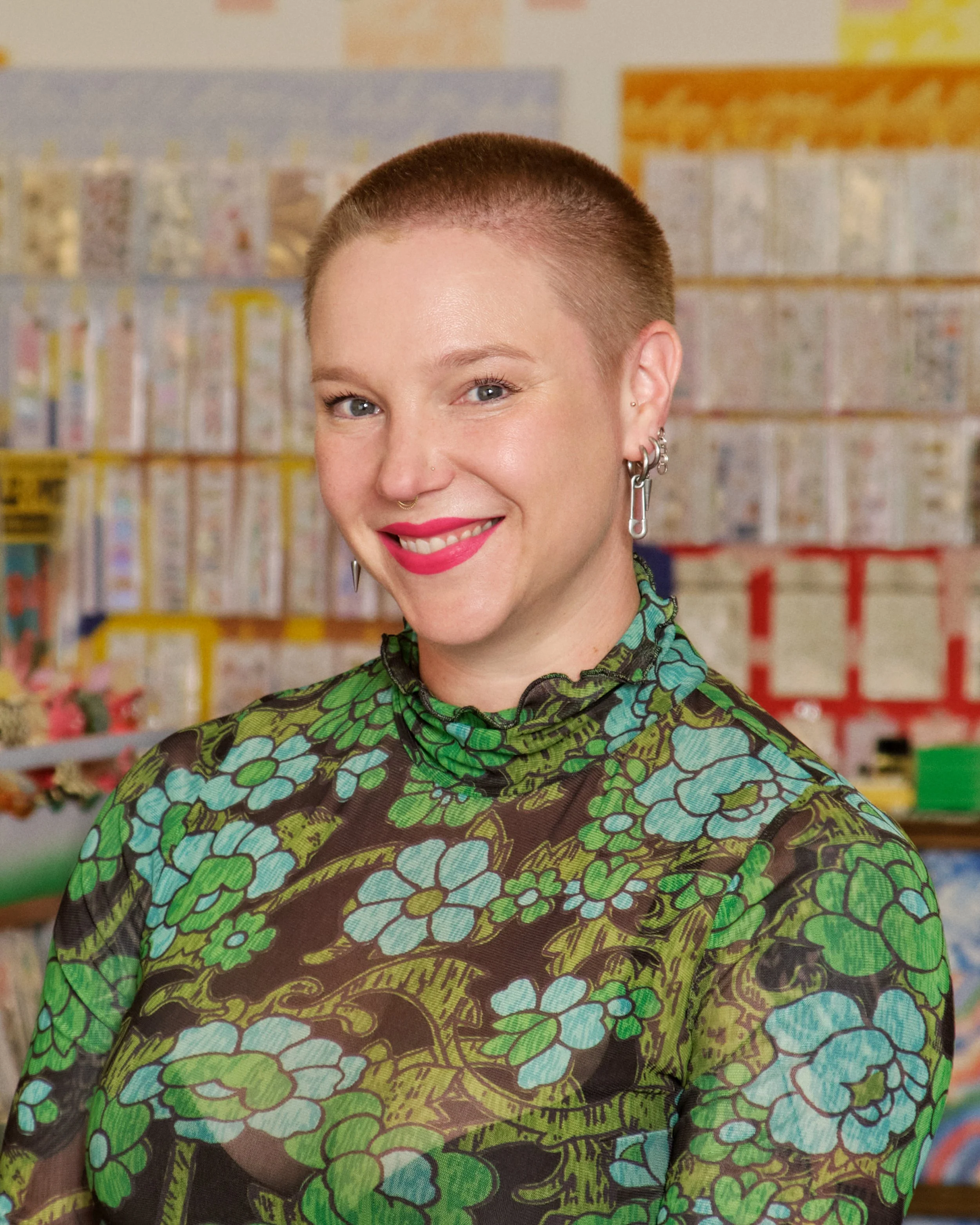
Katie Wilson is an illustrator and shopkeep with a well-documented affinity for pugs, frogs, and trinkets. A longtime lover of paper goods, she has been in the greeting card industry since 2008 and founded The Good Twin in 2014. The Good Twin has since grown to a full line of gifts and stationery featuring her hand drawn illustrations and type, and is now stocked in over 1500 independent shops in the US and abroad. In 2018, Katie and her partner Scotte opened Crush and Touch Art Supply, a brick and mortar neighborhood art supply and gift shop.
Katie is based in Los Angeles, where she lives with Scotte and their two pugs, Stevie and Buffy.
CONNECT WITH KATIE WILSON
WEBSITE: https://thegoodtwin.co | INSTAGRAM: @thegoodtwinco| FACEBOOK: @thegoodtwinco
your product brand right now?
Connect with Katie Hunt
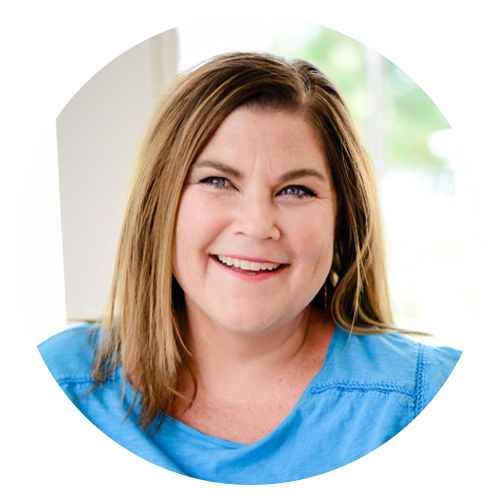
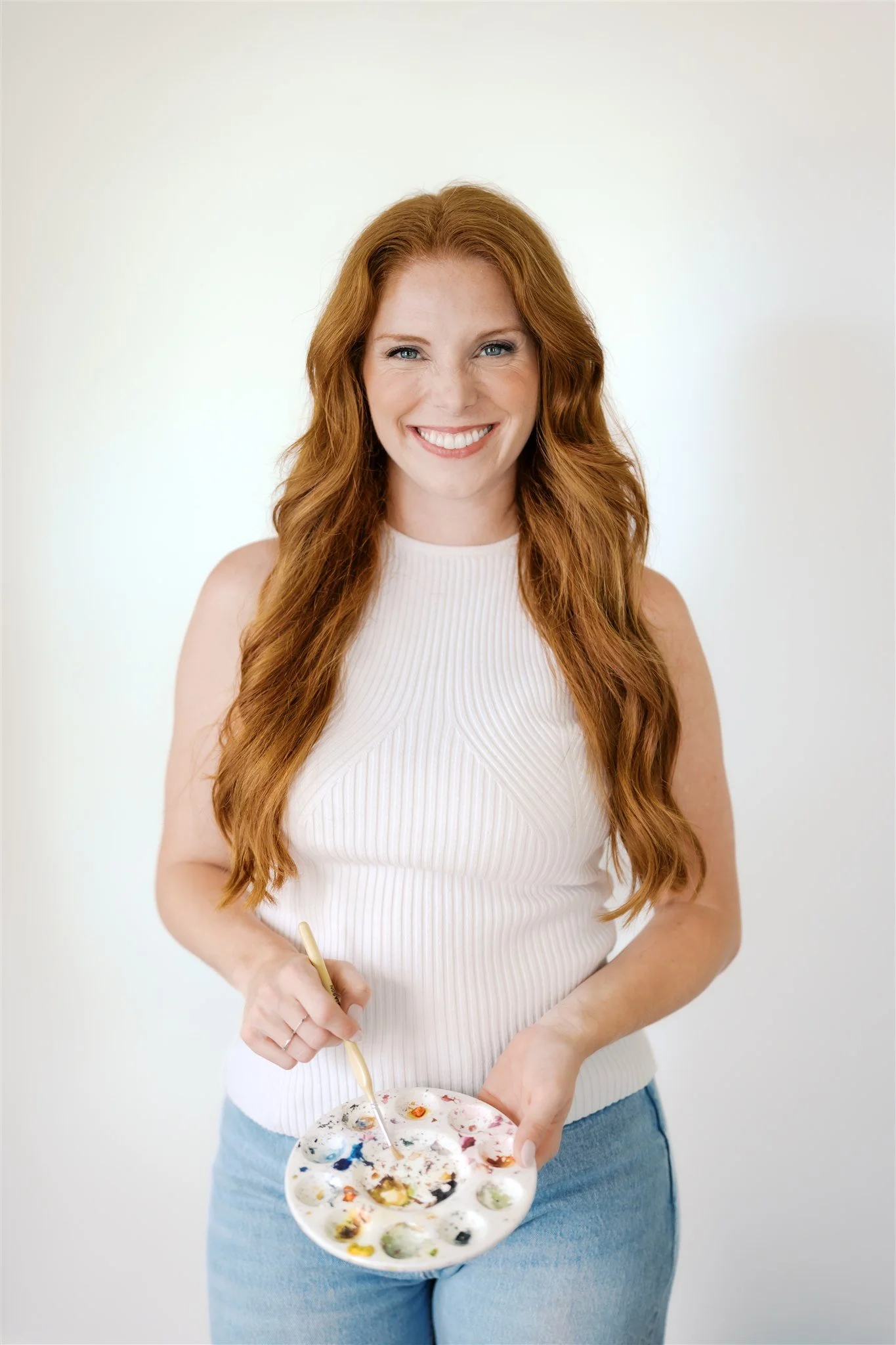
Katie Hunt is a business strategist, podcaster, mentor and mama to four. She helps product based businesses build profitable, sustainable companies through her conferences, courses and coaching programs.
Website: prooftoproduct.com | Instagram: @prooftoproduct
-
Katie Hunt [00:00:00]:
Hey friend, welcome back to Proof to Product. This is part 2 of my conversation with Katie Wilson from The Good Twin and Crush and Touch Art Supply. If you missed part 1 where we talked about product trend cycles, creative fulfillment, and why your bestsellers deserve to stick around for a while, then definitely go back and give it a listen. You can do so at prooftoproduct.com/466. The part 1 was episode 466, so you can listen to that at prooftoproduct.com/466 or on whatever podcast player you enjoy listening In part 2, today's episode, we are talking about money. We're talking about how Katie makes smart spending decisions so that her business stays sustainable and profitable. So we specifically talk about her yearly budgeting process, including how she projects her sales, how she allocates for new product development, and how she sets her non-negotiable expenses. Plus, we talk about why she's been paying herself through payroll since day one.
Katie Hunt [00:00:59]:
We also talk about how your budget is a plan that may need adjustments throughout the year. It's not something that is set in stone that we just set and then kind of forget. We also talked about why she keeps fulfillment in-house instead of using a 3PL. She keeps her team small and well-paid and believes that we need to have more good small business jobs in the world for others to participate in. Now, before we dive in, today's episode is brought to you by our Retailer Roundtable interview series. To make a strong first impression with buyers, we need to do a few things really well. We need to make it easy for stores to purchase from us. We need to have clear pricing and terms and conditions, and we need to clearly communicate and build strong relationships with our customers.
Katie Hunt [00:01:41]:
And all of that becomes so much easier when we actively listen to what they need. Now, this interview series, it allows you to be a fly on the wall and you get to listen in to hear what buyers need and want from the wholesale brands they're buying from. And the best part, it's only $27. You'll find that at prooftoproduct.com/roundtable. Again, that's prooftoproduct.com/roundtable. I'm Katie Hunt, wholesale expert, business strategist, and mom of 4. I'm also the host of the Proof to Product podcast. Since 2011, I've coached thousands of brands whose products can be found on the shelves of indie shops and big box stores all around the world.
Katie Hunt [00:02:24]:
If you are a creative entrepreneur that makes and sells physical goods, you're in the right place. Here on Proof to Product, you'll learn new strategies for product development, sales, marketing, and more. It's like your weekly dose of business school, and we're gonna help you confidently grow your revenue in your own way and at your own pace. So let's get started. Okay, we've talked about the decision-making and balancing of like new product creation and selling. I would love to talk a little bit about how you are making decisions about expenses with The Good Twin, because yes, you're investing in new product, but you're also doing other outreach to acquire new wholesale customers, to retain the wholesale customers you have. You're investing in trade shows. You've attended SHOT for several years consecutively.
Katie Hunt [00:03:14]:
How are you balancing where you're allocating those dollars and where you're seeing the highest ROI? Kind of what's your philosophy on that right now?
Katie Wilson [00:03:22]:
Yeah, it's a moving target. I feel like that can change year over year. We haven't been as good as I should be about marketing this year and focusing very much of our budget there. I've been really focusing, I guess you could consider trade shows marketing. That's a huge chunk of our budget every year. We do Shop Object twice a year. So, we do the winter and the summer show. And it's a good chunk of change, especially because trade shows are expensive to begin with.
Katie Wilson [00:03:50]:
And then, on top of that, I am— I'm bougier than I used to be. So, like, I want to stay in a nice hotel. And if I'm staying in a nice hotel, my employees are also staying in a nice hotel. I'm not talking like 5-star. Like, I'm also a budget queen. But I'm paying attention to those expenses and saying that we need to make X amount of dollars because I want to be comfortable when I'm out there. I want it to feel like a bonus that we're going to New York and spending a little bit of time. I also bake in a little bit of time to like go out and about, see other cute shops, visit friends, that sort of thing on a trip that, you know, the travel part is a write-off.
Katie Wilson [00:04:24]:
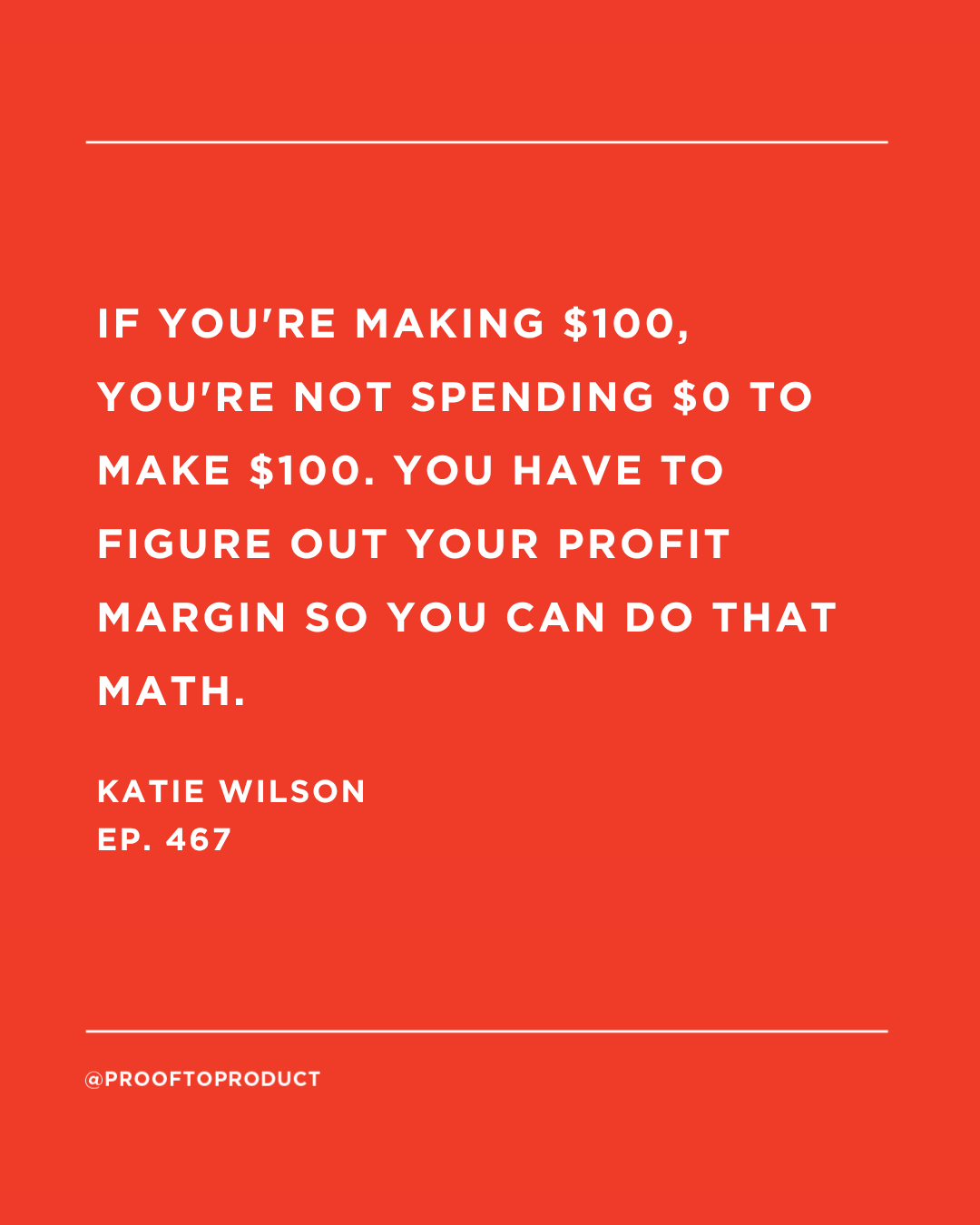
So the way that I budget is very similar to how I budget for the store. I like to look at my entire year, do a conservative sales projection based on what we've seen, the patterns that we're seeing in both wholesale and direct-to-consumer. And then from there, I break it down month to month. I go over all of my non-negotiable budgets, which would be rent, payroll, The amount of product that I need to buy to make those dollars, which I feel like people sometimes forget about. If you're making $100, you're not spending $0 to make $100. Like, you got to figure out your profit margin so you can do that math. So I look at all of those things, and then I look at what's left. And I pay myself on payroll.
Katie Wilson [00:05:05]:
I have done that for a really long time on the advice of my accounting, like my tax preparer and my accounting people, my bookkeeping people. But I've also done that essentially from the beginning because, as we mentioned, I didn't have another source of income. So I was like, part of my non-negotiable is making sure that I have what I know is a living wage for me, not necessarily high. If we have a good year, everybody's getting a bonus, myself included, but that bar is relatively low. And then I look at what money I have left and then I can decide how I want to allocate that money. And for us, it's been dipping our toes into new products and trying new things, and that's really paid off. For instance, I did my first calendar 3, 4 years ago. I actually did a version just for the shop to see how it would do, knowing that I would make it a wholesale version the following year.
Katie Wilson [00:05:54]:
And it sold out. And we sold it wholesale and it sold out there too. So then the next year I made the new version of the froggy calendar. Of course it was froggy. Everything's froggy.
Katie Hunt [00:06:03]:
Of course it's froggy.
Katie Wilson [00:06:04]:
All frogs all the time over here. So I made froggy and then I was like, you know what? That calendar did well. What if we made a calendar that didn't have frogs on it? So I did forest friends the second year. And then the third year I did, a cat calendar and that one sold out. And so this year I did cats, dogs, and frogs. And guess what? They also— we're almost sold out of our calendars and it's only October. So it's not a—
Katie Hunt [00:06:26]:
That's wonderful, Katie.
Katie Wilson [00:06:27]:
Don't wow at me, Katie. I undershot the— I undershot the print run. So if a wholesaler is listening to this, you better buy it now because it's not coming back. And next year I will have learned my lesson. But I was not anticipating— a calendar is one of those products that you really see a huge snowball effect year over because you get folks that come into the store that bought Froggy last year and they're like, all right, I need my 2027 Froggy, where is she? You know?
Katie Hunt [00:06:53]:
Yeah.
Katie Wilson [00:06:53]:
And we see that in our shop as well. So I mean, I should have doubled the run. We had a couple— I upped Froggy last year and we— not a ton left over, but we had some left over at the beginning of the year. And so I did a conservative estimate and I really undershot it. So
Katie Hunt [00:07:12]:
calendars are a tricky product because you don't really— they're dated.
Katie Wilson [00:07:15]:
You don't want to lose money on it.
Katie Hunt [00:07:16]:
You don't want to lose money on it. You don't want to have a bunch left over in the end. So it is a tricky balance on forecasting. And I'd rather you be in the situation you're in now where you're selling out, you're clearing stock, you know that they're all profitable. And then next year you can—
Katie Wilson [00:07:29]:
This is what I keep telling myself as we watch the numbers dwindle.
Katie Hunt [00:07:33]:
It's a good thing. It's a good problem to have.
Katie Wilson [00:07:35]:
It is a good thing. I know. I'm like, goodbye. But yeah, so knowing that I want to earmark a little bit of extra money next year for potentially even another calendar style because we're not seeing a narrowing on calendar buys with extra options. At first I thought people bought 2 calendars, they're not necessarily going to want 4 different styles, but I'm finding that's the case for some folks, but some people are just looking for more calendars.
Katie Hunt [00:07:58]:
Yeah. I love what you're talking about of earmarking dollars specifically for product development. There are a lot of people, I know this probably won't surprise you because we've talked about it previously, there's a lot of people that don't have a set budget for product development. They kind of go on a whim, they go on vibes, they go on what's in the checking account, you know, and they'll be like, okay, we can or cannot do this. run right now, or they'll like fundraise by selling other products to make the money to then produce the product that they want. I've also seen folks throw stuff on just a credit card without having a plan, and I'm okay with you throwing it on a credit card if you have a plan, like let's get the points, let's do all the thing, right?
Katie Wilson [00:08:36]:
Right.
Katie Hunt [00:08:36]:
But I am happy to hear, and I think for our listeners, I'm happy for them to hear that folks are planning this out. I'm like, here's the chunk of cash that I'm gonna dedicate towards product development for next year. Let's parse this out over the different releases we're gonna do and be smart about the And all of that. Was that something you did at the very front end of the business, or is that something you learned over time?
Katie Wilson [00:08:58]:
I have always been— I love, I love a little spreadsheet. I'm actually a pretty big math girly, so that was something that I had always done. I set up a margin spreadsheet so that I could easily see how much money I was making on a given item with plugging in all the, you know, not to get into brass tacks, but like you need to think of every single part of a product. So if you're selling a print, it's not just the print, like you should Now I'm putting my buyer hat on, send that print in a cello sleeve with a backer, because otherwise your shop is just gonna have to do that on the other end. You don't necessarily have to do a cello sleeve if that doesn't like align with your business practices, if you're trying to do like a more eco-friendly thing. But you do need to think about the end way a product is going to be displayed, and how much work you're potentially putting on a retailer's plate. Having the option to have things be like fully retail ready is huge in my experience. So I've always paid close attention to that.
Katie Wilson [00:09:51]:
But the other thing I wanted to say— this was more true at the beginning, but it's still true now, a dozen years in— a budget is a plan. It is not set in stone. So if we have a year that we're not expecting— this year, we had a year that we're not expecting in a good way. We made more money than we were expecting. Obviously, it's wonderful to— That's great. I try to reward everybody involved when things go well. So maybe we have a little bonus. Maybe we do a little extra something fun, but also, So some of that money can go towards creating a new product, adding a couple of extra SKUs, all of those things.
Katie Wilson [00:10:26]:
But it works the same the other way. If you hit mid-year, you need to be looking at your expenses. And like you said, I use a credit card for as much as I can, but I never carry a balance on that card because that is the biggest scam in modern times. You can never get out of that hole if you get into that hole. So if you know you can pay it off, if you can keep that in a conservative way, obviously you and I both know there are a million ways to make money in points And all those— that's half the reason that I am able to do trade shows and travel is being able to utilize those rewards. Yeah, that's a good point. But making sure that you're monitoring your cash flow and adjusting things in the opposite way. You have to look at what is actually happening with your numbers.
Katie Wilson [00:11:07]:
It sucks to like look at things and be like, well, actually, we're under last year. So even that conservative estimate that I made about how much money we're going to be making, we're a little bit below that. So everything needs to be adjusted. I always say, like, you can't react to what you don't know. So you need to look at things in the face, understand what's going on, know that— and I can tell you this from being in business for however many gazillion years now— you are going to have those really fun years where everything is crazy busy and you're like, look at all this money, it's going great. You are also going to have plateau years. You are also going to have years that really bite you hard in the ass. Yeah.
Katie Wilson [00:11:43]:
And the trick is being able to react to all of those things in a way that can sustain your business long-term.
Katie Hunt [00:11:49]:
Yeah.
Katie Wilson [00:11:49]:
So that when you have one of those bad years, you don't have to just like pack it up and go home. You just use that, you figure it out, and then when you're having one of those good years, you keep those bad years in the back of your mind so you pad that savings account a little bit.
Katie Hunt [00:12:01]:
Yeah, I was gonna say you stockpile that cash.
Katie Wilson [00:12:05]:
Yeah, yeah. But I will say you have to be careful about that as well because like as a person who owned a wholesale business and a brick-and-mortar business through COVID, I can be the first one to tell you I've spent many dollars on my therapist being like, that's not always going to happen. Because when you have a year like 2020, I mean, 2020 was a game-changing year for our retail business because the way that we reacted to it, it changed a lot of things. We had a couple of like huge collaborations with institutions that took us through. We were able to like sail— not sail through that. My God, it was extremely difficult. But we were able to—
Katie Hunt [00:12:44]:
But you made it out on the other side ahead. Yeah,
Katie Wilson [00:12:46]:
exactly. But COVID razed Good Twin like to the ground. Like it was down to nothing. We had just done the stationery show. We had bought all the product to fulfill all of those orders. The show was in February of 2020. And then basically right when I was supposed to ship all the orders, the emails started coming in.
Katie Hunt [00:13:05]:
Let's hold this. Let's hold that. Yeah.
Katie Wilson [00:13:07]:
Yeah. So rebuilding after that, I mean, we made a lot of decisions because in that first like 6 months to a year, I was like, well, I don't know if wholesale is coming back. Like our retail side is doing really well. The shop is doing really well, like maybe we're just focusing on that. And so now, fast forward 6 years later, we're running out of space because of the decisions that I made with our warehouse area for the shop rather than for wholesale. But being able to have confidence in your numbers, to be able to pivot when the absolute worst happens, but knowing that you're building a sustainable business that is going to catch you a little bit. You do have some things that you can count on because that's an important part of the job is having a little bit of security.
Katie Hunt [00:13:49]:
Oh, for sure, for sure. Speaking of expenses and the, like, balancing, you've kept your team small. You pay them well, you keep your team small. Everyone's busy on both businesses essentially, but you've chosen— you're selling to 1,500 shops, Katie, and you're doing high volume of sales for the Good Twin where orders are going out constantly. Have you considered doing a 3PL, or did you always want to keep it in-house and like manage the team and do it there?
Katie Wilson [00:14:18]:
I have always wanted to keep stuff in-house. This is something that I think it's different for everyone. I've always appreciated the business side of things. I also like the tactile side of packing, like in Fair Market, like I am like pulling orders, like I'm doing my— and that always makes me kind of sad because like I remember when it was literally just me. So my day would be like, okay, I'm gonna answer emails, I'm gonna draw, I'm gonna pack orders, I'm gonna go to the post office. I loved that. I love the front to back. I love giving my creative brain a break, pulling things, getting to look at and touch the stuff that I'm making, hanging on to the quality, appreciating the quality when I'm packing the orders.
Katie Wilson [00:15:00]:
I'm making it sound like I'm some— I have doves lifting up my cape as
Katie Hunt [00:15:04]:
I'm
Katie Wilson [00:15:05]:
Snow White-ing. No, but you're right. And I don't do that anymore, and I miss that. I will say that while managing people is the most challenging part of my job, I keep a lot of things in my head. So, trying to be good about creating manuals, creating systems, like, all of those things run a little bit counter to how I do things personally. Like, I really like to react to things in real time, be human about stuff, rather than just having rules for everything. But creating some infrastructure and allowing yourself some help, but still being able to be on the ground, understanding what's happening with your products, knowing that things are going out to stores, looking good, packed correctly. You're in charge of all of those timelines.
Katie Wilson [00:15:51]:
I think that's really valuable. And I also think this is me getting on my soapbox, like having a brick and mortar as well. But it's important to build community. It's important to like be in a neighborhood, to be seeing people every day, to give people— people need jobs that are like living around you in your busy area. And like, yes. It costs a lot to like pay people and try to treat them well. And it's, it's very expensive to run a business. So I'm not saying that like I'm doing the best job of everything, but I'm trying.
Katie Wilson [00:16:21]:
You're
Katie Hunt [00:16:22]:
doing a really good job. I would have—
Katie Wilson [00:16:24]:
I thank you. I would have killed for a job like that when I was starting out. And I worked for a couple of wonderful small businesses in very small capacities when I was just out of college when I was starting Dude and Chick and also when I was starting Good Twin. I mean, Famously, famously, I don't know, famously might be going a little far. But my friends, Alan, Jess, Jess now runs Social Type herself, and Allison runs their retail shops. But in 2014, they just had the wholesale business, and they hired me like hourly to come help pack orders, because I needed some money. And it was really helpful. So like, I like to think that we're creating a good workplace.
Katie Wilson [00:17:02]:
We have the opportunity to create these jobs, to form a little community, and to be able to have that within my workspace as well. I work from home a couple days a week because I'm a very social person, especially when I'm surrounded by people. And I really like the people that I work with. So, I can be guilty of just like chatting and extending meetings and that sort of thing when I'm in the office. So, I do have like, I'm in my work-from-home space right now because I'm working on the new Froggy calendar. I had to like sequester myself. But having a workplace that I can like go into that is, you know, a third space for people, it's a place that they can go to every day. Yeah.
Katie Wilson [00:17:40]:
make some money, but they can also have a little bit of social interaction and flex those muscles as well. I think that that's really important. I would caution people to not do a 3PL without thinking about it. That's right for some folks. Some people really don't have a business mind. For some people, the creative part is the only part that they want to be dealing with. And I understand and respect that. I have ushered a few of my close friends who sell us stuff at the store into a 3PL because I've been like, I cannot wait a month for your order.
Katie Wilson [00:18:10]:
Like, somebody else needs to be doing this. But if you're willing to, like, do that labor of love, I think it can really pay a lot of dividends and create something special about your business. Like,
Katie Hunt [00:18:20]:
yeah,
Katie Wilson [00:18:21]:
Pilar comes with me to every single trade show, and the swap that I've seen where, like, previously sometimes buyers would be like, oh, I want to, like, wait to place an order until Katie is in the booth or whatever— now the opposite is happening. Like, people don't know me, they know Pilar, which is how I want it.
Katie Hunt [00:18:37]:
Which is what you want.
Katie Wilson [00:18:39]:
It is. ideal that I can just kind of float in or whatever. But she has ownership over the work that she's doing. And she's doing a great job of it. And yeah, I do keep the team small just because it does cost a lot to employ people. And so I like to make sure that we're keeping benefits and pay like where we want them to be. And if you really staff up, then you run the risk of paying everybody minimum wage, you've got this huge team that's not going to be sustainable, because they're going to have to find something else. But yeah, I think we found a good balance.
Katie Wilson [00:19:09]:
And I would encourage anyone who's up for it to really do that work and create a— we need more professional, good small business jobs because corporate jobs suck. They pay a lot of money sometimes. And I'm like, I'm also not going to sit here and tell you how to get rich. But I am going to try and tell you how to build a sustainable life for yourself that you actually enjoy.
Katie Hunt [00:19:34]:
That, and I think there's a lot of things that allows you to live that enjoyable life, right?
Katie Wilson [00:19:38]:
Exactly.
Katie Hunt [00:19:39]:
For sure. Oh, Katie, this has been so good. I really appreciate you sharing with all of us. What's coming up next for you with both businesses? Anything new and exciting for Good Twin you want to share, or Crush and Touch?
Katie Wilson [00:19:51]:
Yes, I feel like I'm in the midst of a lot of exciting things right now. I think I mentioned I'm almost done with the next Froggy of the Month Volume 4. Which will come out for Good Twin, it will come out for 2028. But we do an exclusive for the shop that will be a 2027 calendar. I also, speaking of, we're kind of having one of those years where I have a little bit of extra for extra things. So I just finished a line of sticker sheets. I made sticker sheets for Good Twin before I made single die-cut stickers. Keeney just held one up to the camera.
Katie Wilson [00:20:27]:
I love those sticker sheets. They really didn't sell. I was before my time, and now everybody wants— we sell so many sticker sheets.
Katie Hunt [00:20:33]:
Yeah, they're really fun.
Katie Wilson [00:20:34]:
Yeah. So I made a lot of updates to them because I wanted to be able to fill a piece of the pegboard at Crush that we wouldn't run out of.
Katie Hunt [00:20:42]:
Yeah.
Katie Wilson [00:20:43]:
And the margin is good on stickers. We can print them in the States and still have them available for wholesale. So now they're vertically oriented. There are a lot more stickers on the sheet. They're very cute. Of course, there's lots of frogs. But yeah, I did 7 designs that'll be available soon for both wholesale and retail. And then we're also— we are testing gift wrap for the holidays in the shop.
Katie Wilson [00:21:05]:
That's something that I'm hoping to be able to make available for wholesale. But yeah, I'm—
Katie Hunt [00:21:11]:
Shop is— wrap is a tough one.
Katie Wilson [00:21:14]:
Wrap is a real tough one. So we needed it in the shop, so I'm testing it there to see if it's— if it's worthwhile extending that.
Katie Hunt [00:21:22]:
That's awesome.
Katie Wilson [00:21:22]:
And many more gift bags in the future. At Crush, we're moving into holiday season, so I've been stocking up on all the fantastic things that we're gonna have for the holidays. And my partner Scotty is finishing as we speak a redesign of the art supply side of the store, which we haven't done since 2021. So we're doing that, fingers crossed, next week. So if any folks come to our brick and mortar shop in late October, you will see a brand new layout for all the art supplies, and we're adding a bunch of new categories with that as well.
Katie Hunt [00:21:54]:
Amazing. Katie, it's always so much fun for me to talk business with you. When you come to our Paper Camp calls, when you and I just talk one-on-one, I just love the way your brain works. I love how like business-minded and numbers-minded you are, but also just you're practical and you're like thoughtful in your approach to how you do this. And I think that's really commendable. I think, you know, there's so much pressure around us as we're growing these businesses and so many people wanna scale, scale, scale, or build, build, build. And I think it's really wonderful for them to hear more from folks like you who are like, look, look, we just want to live a really good life and do this in a way that's fair for everyone and everyone's making a good living and we're creating stuff we're really excited about. And so thank you for showing up today and sharing that message with everybody.
Katie Hunt [00:22:36]:
Share where folks can find you online and also if they want to visit the shop in person, where to find that.
Katie Wilson [00:22:42]:
Yes. So The Good Twin is at thegoodtwin.co, no M, and The Good Twin Co, all one word, on Instagram. Crush and Touch Art Supply is Crush and Touch on Instagram and crush-la.com. Um, online, and our retail shop is in Highland Park, Los Angeles. So come visit us, we're open every single day and we would love to see you.
Katie Hunt [00:23:06]:
Amazing. Katie, thank you for doing this.
Katie Wilson [00:23:08]:
Thanks for having me, Katie. It's so nice to talk to you.
Katie Hunt [00:23:11]:
Always, always. I always enjoy talking shop with Katie Wilson. She is just so stinking smart and savvy in the way she's building these brands and her shop. And what I love most about Katie approach is that she's not chasing growth or scale just for the sake of scale or growth, right? She's building a business that pays her team well, that pays herself well, that supports her creativity and gives her the life that she actually like enjoys. She's building this business around the life she wants to have, and you can hear that in the way she talks about the people she works with and also how she builds fun into her daily activities, like going to Shop Object, right? This is a version of success that I want more of us to not only hear about, but I want it to be what we model our own businesses after— building a business that supports the life we want to have. Now, if you want to hear more from Katie as a buyer, I do want to encourage you to check out the Retailer Roundtable interview series. It's a series of interviews with different indie buyers where we ask them about their buying preferences, How they like to be pitched, how much follow-up is too much, and we get lots of other insider tips and tricks to help you present your line and your products to these retailers. The program is on demand and it's inexpensive.
Katie Hunt [00:24:29]:
You can start listening right away. It's only $27, and you can find that at prooftoproduct.com/roundtable. That's prooftoproduct.com/roundtable. If this episode sparks something for you, I'd love if you could share it with one of your friends and leave us a review. At ratethispodcast.com/ptp for proof to product. Your ratings, your reviews help us get more eyes on the show and more ears on the show. It also helps us attract different types of guests for the show that will help you in your business. So anyhow, thanks for listening today, and I'll see you next week.
Today's episode is part 2 with Katie Wilson of The Good Twin & Crush + Touch Art Supply. Katie walks through her yearly budgeting process, from projecting sales to setting aside funds for new products, and explains why she treats her budget as a living plan rather than something to set and forget.