get started with
wholesale trade shows
Scroll
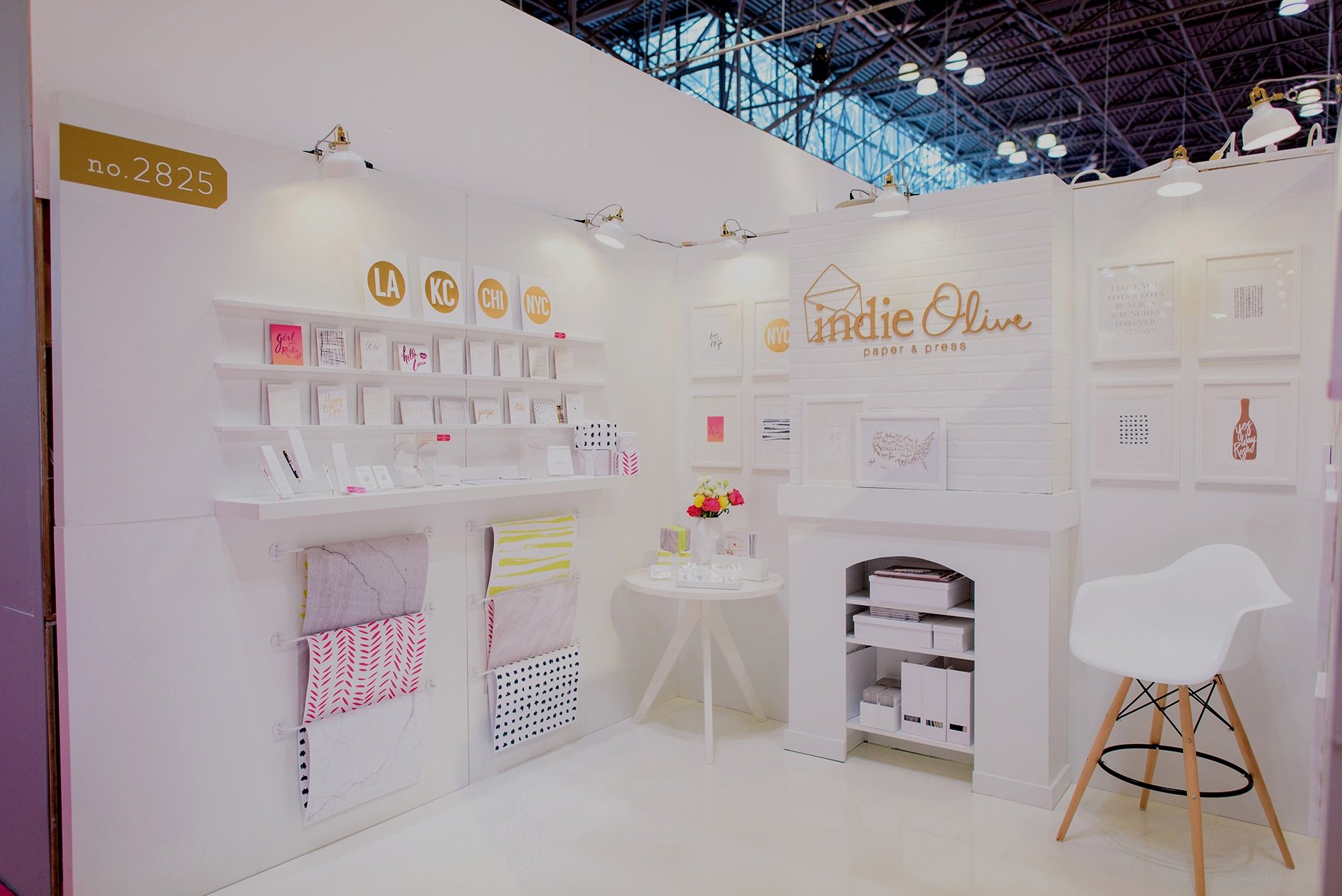
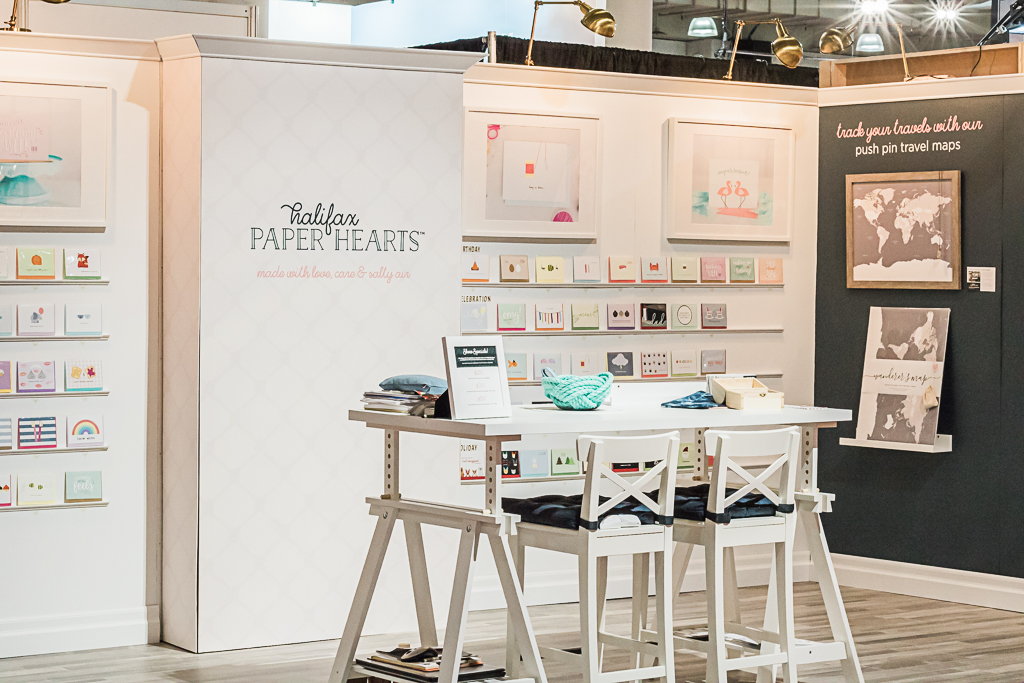
Wholesale Trade shows offer a lot of benefits.
They are a great way to get in front a wide variety of buyers. You'll get feedback on your products. Build relationships with retailers, industry peers and you'll have an opportunity to connect with sales reps and potential collaborators that could lead to additional revenue down the road.
BUT... they are also a risk.
You're sinking time, money and energy into something without knowing what the outcome will be. The process can feel overwhelming and it is easy to let doubt creep in. Are you making the right decisions? Spending your money on the right things? And, one of your greatest fears is likely whether this investment will pay off and help you grow your business?
It is NOT your fault that you feel this way.
There are tons of decisions to make when planning for a trade show and its easy to get overwhelmed by all the options. Decision fatigue is real. The combination of constantly researching, making decisions and spending lots of money can create a lot of additional stress.
But it doesn't have to be this way.
When you know what to expect, you can plan ahead, anticipate changes and you can approach your trade show with less stress and more confidence. And we want to help you get started...
Work Smarter, Not Harder.
ACCESS Our free resource library

wholesale trade shows on the podcast
Podcast
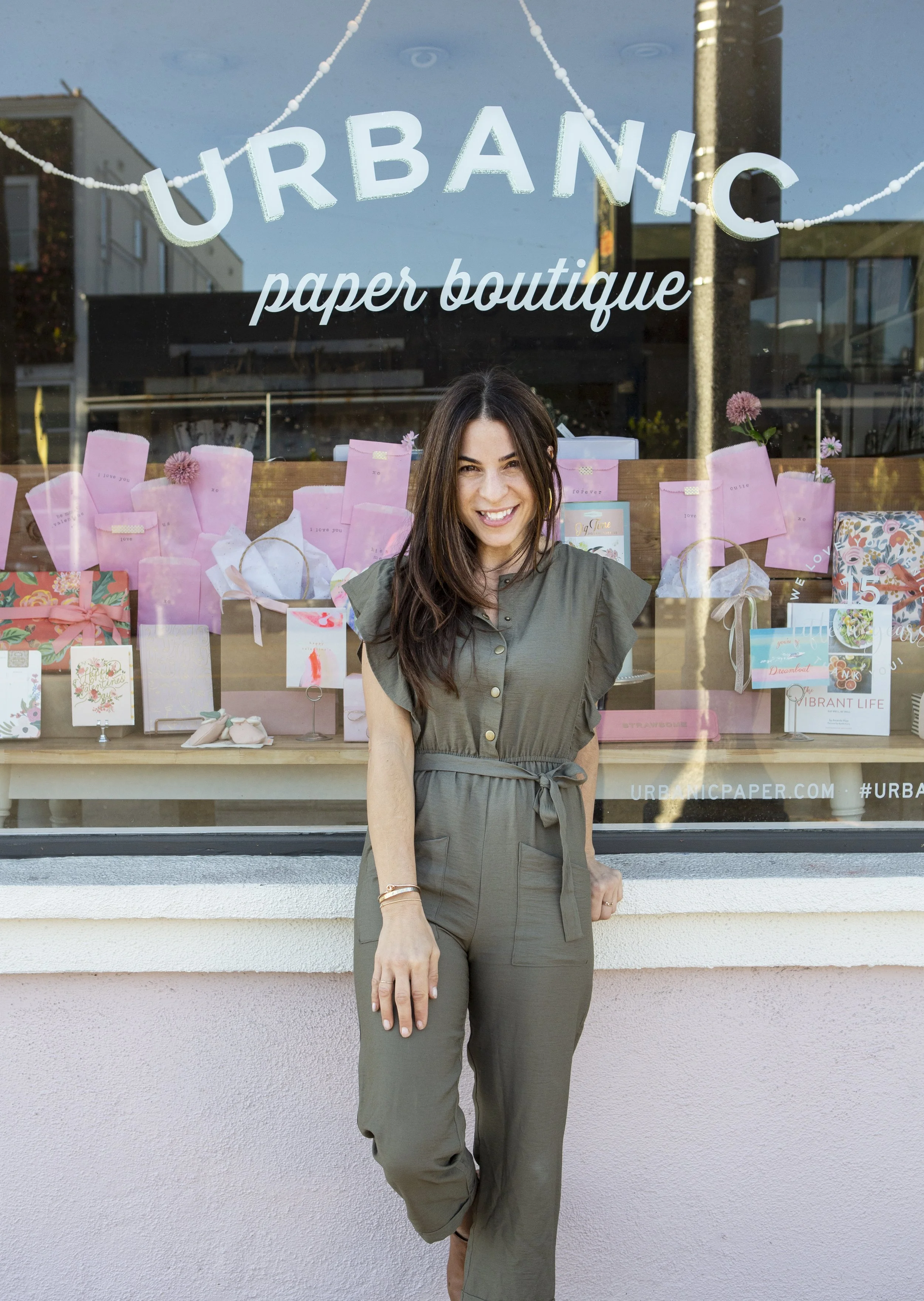
This week I'm sitting down with returning guest Audrey Woollen of Urbanic and we're talking about navigating a huge business transition. About a year ago, Audrey decided to close her retail shop and we'll talk about that today. Audrey opens up about the difficult decision it was to close after being open for nearly two decades.
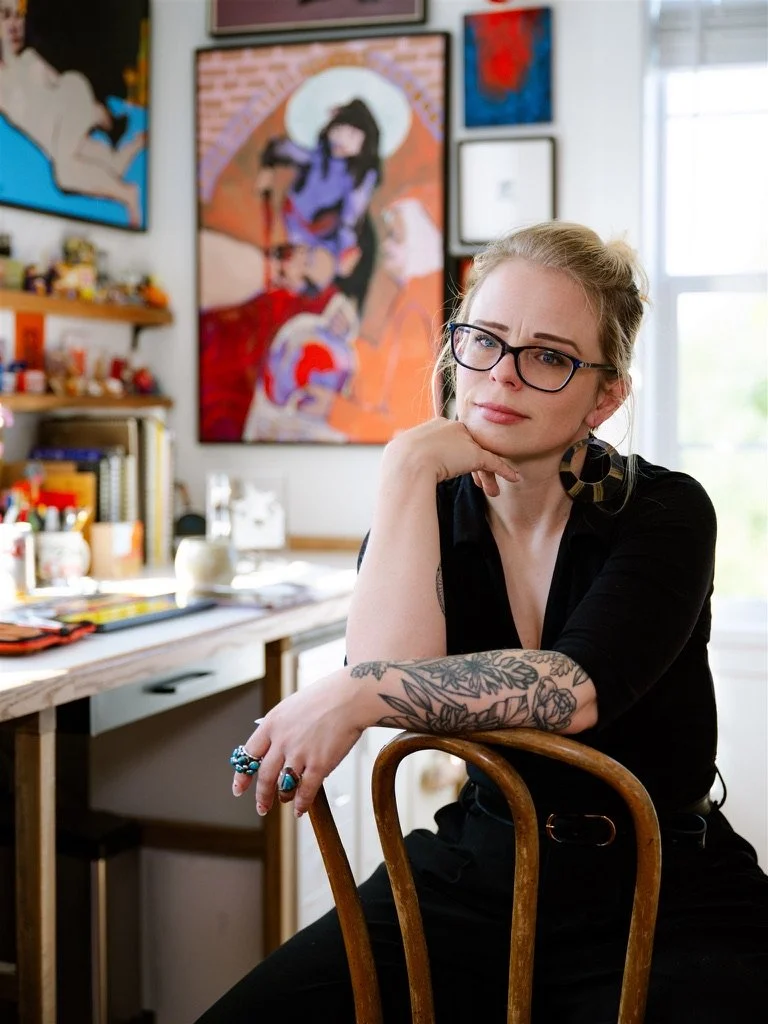
Today's episode is a really practical conversation for anyone that is preparing for wholesale trade shows, especially if you're newer to exhibiting or you're trying to decide whether trade shows are the right next step for your business. I'm joined by Karen Sawyer-Meehan of Pier Six Press.

This episode I am joined by Paper Camp alum Andrew Fegler, the founder of That's So Andrew.
He discusses everything from the nuances of authentic allyship to making intentional decisions about suppliers and partnerships. Plus, with over 25 trade shows under his belt, Andrew gives us an insider look at the regional vibes, buyer dynamics at these major wholesale events, talking through lessons he's learned, financial strategies, and the impact of human connection in business.
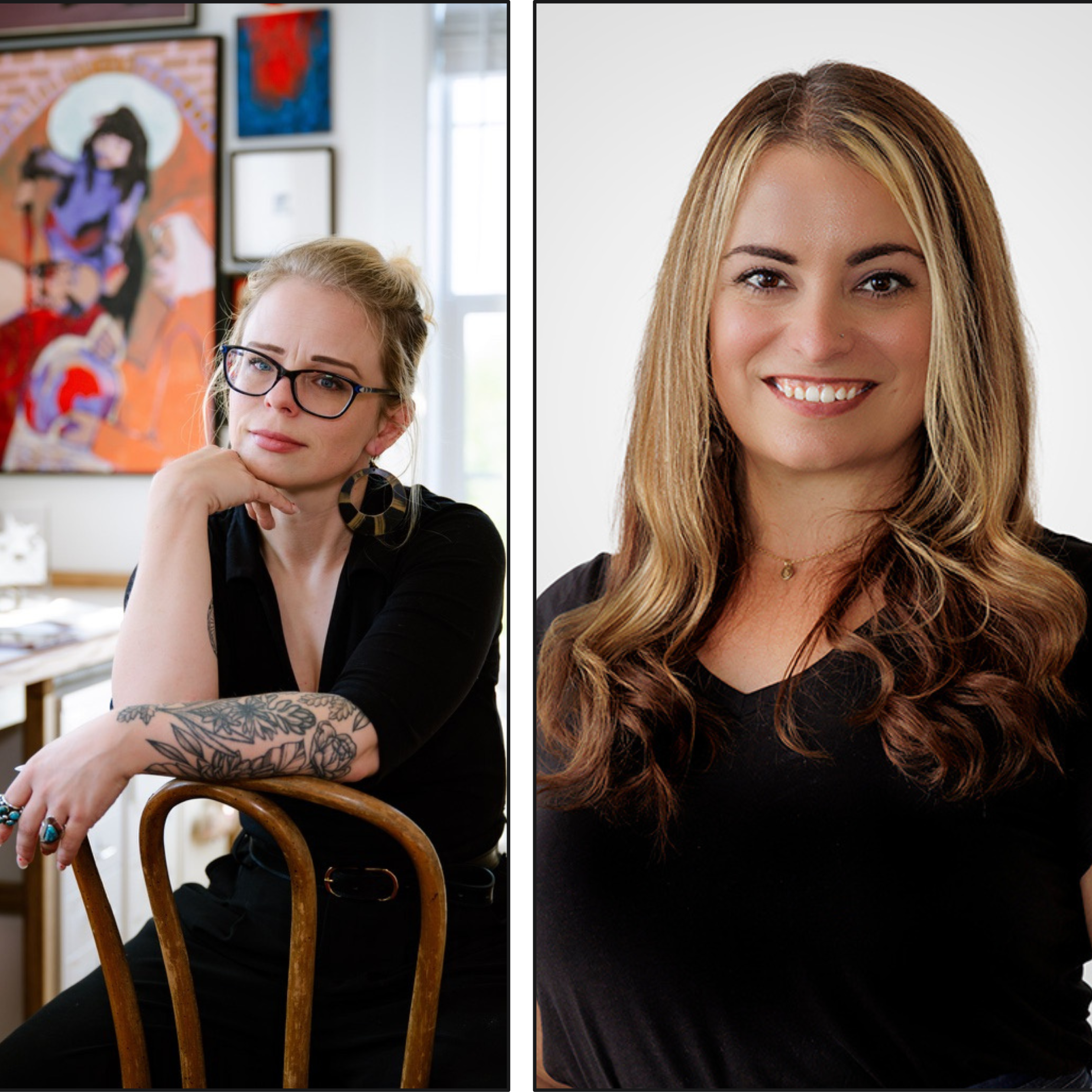
This episode is an excerpt from our coaching call in Paper Camp that was centered on exhibiting at trade shows. I asked Paper Camp alums Karen Sawyer-Meehan of Pier Six Press and Alyson O’Connor of Rust Belt Love to come and share their experiences with the 47th round of Paper Camp.

During this episode, we’re chatting with Lib Ramos and Jessie Tyree Jenness about craft shows and digging into what organizers are actually looking for when you apply for these shows, how exhibitors can decide if a show is worth it, and how to also measure ROI following a show.
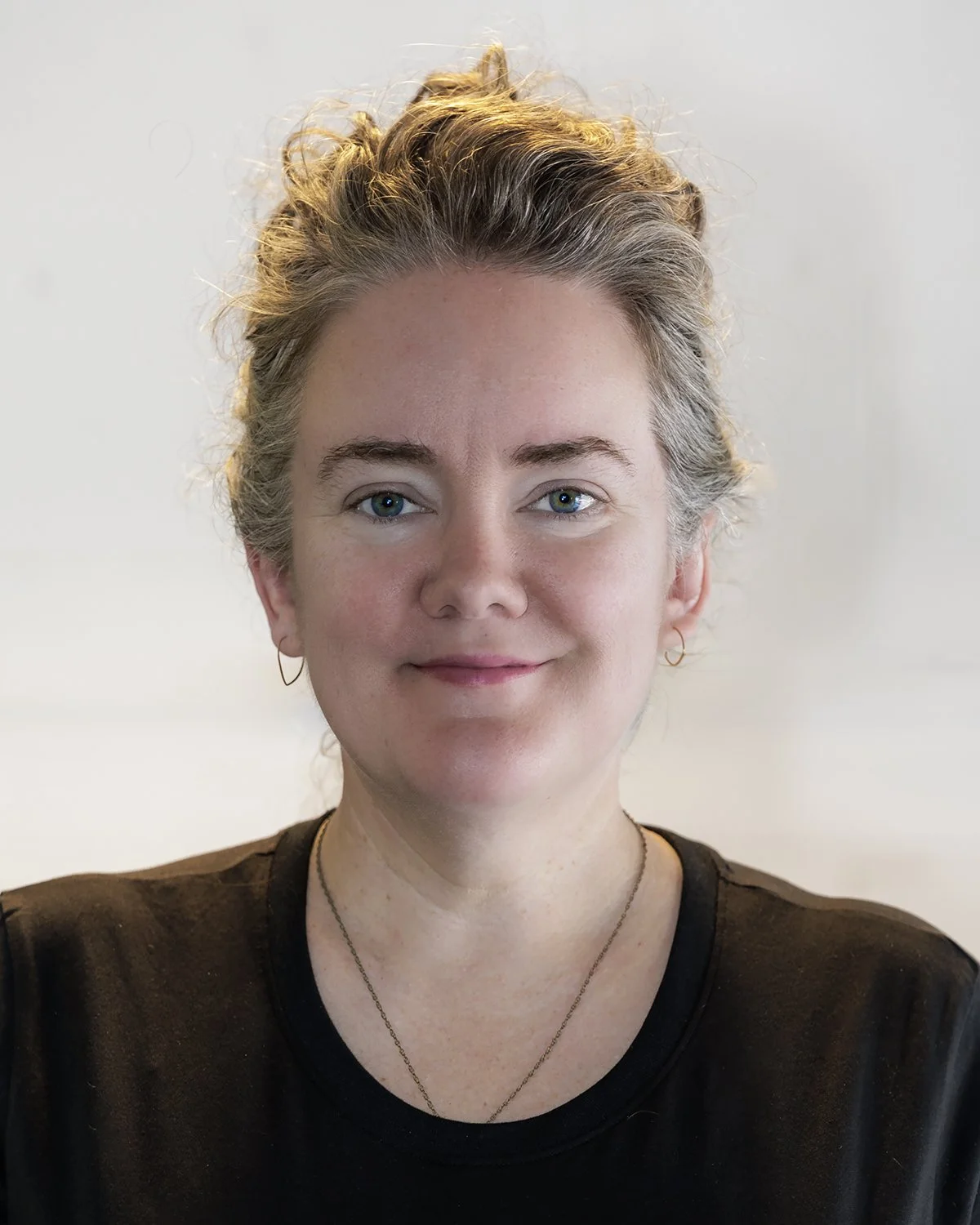
During this episode, Paper Camp alum Kate Murray of Quick Brown Fox Letterpress. Kate shares the importance of playing the long game in wholesale, how she balances wholesale and retail operations, and the innovative ways that she's nurturing relationships with both key accounts and independent retailers.

During this episode, Karen Sawyer-Meehan of Pier Six Press shares her journey from art school and retail sales, her honest take on ethical selling, why genuine connections matter more than ever in retail, and how learning to trust your own unique artistic voice has transformed both her business and her confidence.

In this episode, past Paper Camp alumni share what their experience was like at Shoppe Object’s summer 2025 trade show.
In this episode, past Paper Camp alumni share what their experience was like at NY Now’s summer 2025 trade show.
In this episode, wholesale expert Katie Hunt shares how product-based business owners can know if they are ready to exhibit at a wholesale trade show.

During this episode, Zeba Parkar and I discuss her approach to finding funding for her business and different loan options that she looked at, including Shopify Capital, and lines of credit options.

During this episode, Amy Loewenberg and I talk about how NY NOW is innovating the trade show experience. We discuss everything from adapting trade shows to post-pandemic buying trends to the importance of sustainability, and the emerging focus on multi-sensory shopping experiences based on customer psychology.

During this episode, Priyanka Batra shares her love of fashion and how that influences her products, how growing up the daughter of immigrants influenced her career path, and she talks about overcoming imposter syndrome. We also talk about how she jumped into her first trade show too quickly with only 3 weeks to prepare and the lessons she learned the hard way in that experience.


Hey friends! I’m really excited for you to listen in on today’s episode with Jean Marie Sanchez of Little Feet’s Opus. The story behind Jean’s products is truly remarkable - each of them stems from personal stories of the strong women in her life and spreads joy, empowerment and relatable life moments.
Jean made an intentional goal to create products that are both inclusive and diverse. In our conversation, she talked about the ah-ha moment she had where she realized there was space in the market for a line of products.
She shares her experiences in the Emerging Artists section of NSS for two consecutive shows including the pros and cons of exhibiting as an emerging artist versus having your own booth. We also talked about how Jean defines success through the impact she makes on others.

Hey friends! Today I want to chat with you about the recent Faire Summer market and share both insights and concerns after leading hundreds of people through what is likely our first of many online trade shows.
I’m happy to report that our Paper Camp alumni community and LABS members had some strong sales during the show. Some received a handful of orders, while others secured more than 40 orders in a two day span. In addition to the cash influx, I was pleased to hear that many in our community received wholesale orders from new stores they had never worked with and many had reorders from past accounts who were reconnecting.
In this episode I’m walking you through pros and cons of these types of shows, why I’m not a fan of discounting your products to get sales and why you should continue your marketing post-show.
Hey friends! As more and more of you are dipping your toes into the world of virtual tradeshows I’ve been receiving questions on how to build out strategic marketing plans for these events.
That’s why today I am exploring the tactics you can implement to help reach more of your wholesale customers at a virtual tradeshow event. You’ll learn how you can determine if a virtual tradeshow is the right fit for you and your budget. I discuss using a tiered outreach system and all of the different avenues I recommend using (plus tips for optimizing each one!)

Hey friends! As we all continue to navigate through this pandemic it’s important that you continue to connect with your customers and build strong relationships with them.
Something as simple as checking in with your wholesale clients or retail customers can go a long way in making them feel cared for. That’s exactly what today’s guest, Kate Murray of Quick Brown Fox Letterpress has done to make sure she’s supporting her customers.
In this episode, Kate shares her story of how she got started in the printing industry. She talks about how she saved an old letterpress from the scrapyard and spent three months bringing it back to life. Kate and I talk about the various trade shows she’s done and her different revenue streams. She also discusses the biggest challenges she faces within her business and her plans for expanding her product line beyond just stationery.

Hey friends! We’re going to be switching things up a little for today’s episode. I’ve decided that once a month we’ll be airing a live coaching session with one of my coaching clients or a Paper Camp alumni on the podcast. It’ll be a short, hot seat format coaching session where the guest will talk about what they’re working on and what they need help with. I’ll be giving them my candid off the cuff advice, recommendations and even some homework because we’re all about taking action!
For our first live coaching episode, I was joined by Paper Camp alumni, Shirlee Fisher of Quiet Lines Design. She has a few hesitations and questions about the timing of her launch and the wholesale market. We work through the three things she needs to prepare and make ready before the launch so she can launch her products confidently.
In this episode, we chat about lining up your launch with the release cycles of the stationery industry, why having 40+ SKUs will help you get more customers and why sometimes you have to wait until things are ready.

Part 1: Last week I took a whirlwind trip to New York to visit with more than 40 of our Paper Camp alumni who were exhibiting at NY Now and the National Stationery Show. It was so exciting to see everyone’s hard work live and in person — their new products were innovative, their booths were beautiful and their confidence was shining through. It was awesome.
While I was there, I was able to grab some time with a handful of our alumni to talk shop about the show, goals they set and how they plan to follow-up after the show.
We’re breaking this into a two-part series. The first part features several of our veteran exhibitors from the Paper Camp family including Rebekah from Wild Ink Press, Christina from Public School Paper Co, Beth from Little Goat Paper Co, Jeni from E. Frances Paper and Juliana from Good Juju Ink.
In Part 2 on Thursday, we’re sharing interviews with Paper Camp alumni who were exhibiting in the emerging artists’ section as well as first-time exhibitors! Today’s show features Rachel from Hazel & Dolly, Chandler from Joy Paper Co, Lisa from Rhino Parade, Janine from Kwohtations, Tammie from Tiger Pocket Press and Juana from Loteria Press.
Last week I took a whirlwind trip to New York to visit with more than 40 of our Paper Camp alumni who were exhibiting at NY Now and the National Stationery Show. It was so exciting to see everyone’s hard work live and in person — their new products were innovative, their booths were beautiful and their confidence was shining through. It was awesome.
While I was there, I was able to grab some time with a handful of our alumni to talk shop about the show, goals they set and how they plan to follow-up after the show.
We’re breaking this into a two-part series. The first part features several of our veteran exhibitors from the Paper Camp family including Rebekah from Wild Ink Press, Christina from Public School Paper Co, Beth from Little Goat Paper Co, Jenn from E. Frances Paper and Juliana from Good Juju INk.
In Part 2 on Thursday, we’re sharing interviews with Paper Camp alumni who were exhibiting in the emerging artists’ section as well as first-time exhibitors! Today’s show features Racheal from Hazel & Dolly, Chandler from Joy Paper Co, Lisa from Rhino Parade, Janine from Kwohtations, Tammie from Tiger Pocket Press and Juanna from Loteria.

For Cecily Moore, her business, The Paper Curator, started as a blog and over time, transitioned into a product based business. She first began her journey while working at a job and trying to find the next step in her career. She thought, “why not start a blog?” From there she began to document the creative endeavors she pursued in her everyday life before launching her first products.
She gives us a breakdown of her first craft show experience, her Paper Camp journey and what she’s learned from attending the show. We chat about how putting ample effort into her research and development has helped her build a sustainable business.
Today’s episode dives deep into what it means to bootstrap your business and build everything from the ground up. She talks about how she decides whether to invest in equipment to help her create her products, how bootstrapping has integrated into her wholesale strategy and budget and what it’s been like scaling her handmade products into wholesale.

Hey friends, when you’re building your wholesale business there’s no doubt that you’ll be headed to trade shows to get your product out there and in front of the right buyers. The reality is, trade shows are expensive and you don’t want to waste a single minute while exhibiting.
In this episode, I reverse engineer what it really costs to exhibit at a trade show from an hourly rate perspective. This will help you to realize how much every hour counts while exhibiting and the importance of using your time to connect with others, write orders and doing market research. It’s not the time to be admiring other people’s products or talking to your booth neighbors (there’s plenty of time to do that during break down or set up or even after hours). I talk about why you need to know your numbers, how Paper Camp helps attendees to know where to save money and where to splurge during shows and the importance of preparation.

Hey Friends! Winter show season is kicking off so we thought we would re-run this episode from last year. We have alumni going to Atlanta, Japan, Las Vegas and of course NY Now and NSS in February. It is show season so we wanted to get this front and center for you so you could get ready for your show or just here what is going on at market. Enjoy!

I’m recording this on a Sunday evening, just two short days after I finished hosting our 16th Paper Camp conference and I’m just now getting a chance to reflect on everything we did at Paper Camp and the amazing feedback we had from our students. In this episode, I want to share some of their key take-aways with you here on this episode.
But first I want to preface this conversation by saying we cover a lot of ground at Paper Camp. This is our signature program and we’ve helped over 1,000 small businesses on how to get their products on the shelves on their favorite retail shops. We talk about product development, sales tools for wholesale, sales strategies - working with reps and tech solutions like Faire, marketing to wholesale buyers and the nuts and bolts of exhibiting at shows.

This past week I traveled from Los Angeles to New York for two trade shows — the National Stationery Show and New York Now. We had just over 35 alumni exhibiting between the two shows, and while I was there, I had the chance to catch up with them about their exhibiting experiences.
Today’s compilation episode features interviews with 8 of our Paper Camp alumni. We talk about why each chose to exhibit where they did, they walk us through their decision-making process, what their goals were for the show and… tips they want to share with you all! Hope you enjoy!
Scholarship applications for our Paper Camp conference opened today, July 5th and will stay open until July 12th so I wanted to hop on here and share 5 tips for how to put your best foot forward when applying for scholarship opportunities, like ours.
A little background first…. Giving back is an important piece of the Proof to Product mission and we offer one full tuition scholarship to each and every Paper Camp conference and e-course that we offer.
Since 2011, I’ve awarded over $100,000 dollars worth of scholarship funds to our students. And, in that time my husband and I have reviewed tons of scholarship applications.
Here are our 5 ways to stand out in your scholarship application.
helpful
courses

how Maximize your Trade Show Investment
This workshop is for product-based businesses who are exhibiting at large-scale wholesale trade shows like NY Now, Atlanta’s Mart or Las Vegas Market. In this on-demand MASTERCLASS, you’ll learn three ways to maximize your trade show investment and keep wholesale orders coming in long after your show ends.

paper camp
A LIVE four-week online program for product based businesses that want to learn everything there is to know about selling wholesale, exhibiting at trade shows and reaching a wider range of wholesale accounts. We’ll ensure your products are priced for profit, your wholesale sales tools are strong and that your wholesale outreach converts to sales.

wholesale trade shows on the blog
Podcast

When you’re planning your tradeshow booth, start with your walls. The type of walls you choose to use will have a domino effect on other decisions you make for your booth. For example, your walls will determine how you display your products, whether you use shelves, how you hang your signs and what lights you use. Plus, your walls set the stage for the overall aesthetic of your booth.

We love to spotlight our Paper Camp alums because we believe there is always something we can learn from one another’s experiences. Francesca Fuges of Loudhouse Creative recently exhibited at the Las Vegas Market; her second tradeshow in the last year. We sat down with Francesca to get her feedback on the show. But first, her story.

A common mistake I see new exhibitors (and even some veterans) make revolves around how they measure the success of their trade shows.
One would assume that calculating your return on investment would require a simple formula comparing how much was spent to exhibit versus the revenue earned while at the show. However, I’d argue that this method is short sighted and doesn’t take into consideration several less tangible, non-immediate benefits that exhibiting at a trade show can bring.

udgeting for a tradeshow can feel like a shot in the dark, especially when you’re a newbie or trying to scale up. We have some experience in the tradeshow realm, working with everyone from side hustlers to experienced pros and everyone in-between. One thing we’ve found across all our students and clients is this: Splurge selectively and skimp elsewhere to stay on-budget.
Tradeshow booths tend to cost more for new stationery makers than seasoned because of the start-up costs involved in creating a booth from scratch. Designing a booth is a lot like a kitchen remodel or planning a wedding; it’s going to take longer and cost more than you expect. Count on it. Average costs for the National Stationery Show is about $7,000 to $10,000, but we’ve seen costs soar to $20,000 or come in at about $5,000.
favorite
tools

We only recommend products and services that we use and love. If you click through and purchase, we may receive a commission at no additional cost to you.
how can we help?

making products

selling wholesale

scaling my business
This week’s podcast episode features Kirstie Lee from A Jar of Pickles. We talk about everything from balancing a corporate career while building a product brand to hiring your first employee, expanding into wholesale, building a devoted direct-to-consumer audience, and why treating your business like one big experiment has opened doors to opportunities that Kirstie never even planned for.