get started with
Product Development
Scroll
I know you’re ready to START developing your product line!
Running a business is unlike any challenge you’ve faced before. It takes quiet courage, endless determination, creativity and a true, undeniable love for your work. And you?
You’ve got all of that in spades.
But, reaching success doesn’t happen overnight. And, the first step is perfecting your product. Skip those late nights searching Google and Facebook Groups for answers, surviving on coffee you made hours ago.
We’ve got everything you need to get started growing your product line right here. GRAB OUR WORKBOOK BELOW AND A FRESH CUP OF COFFEE, TEA OR WHATEVER YOU PLEASE AND LET’S DIVE IN!

favorite
tools

We only recommend products and services that we use and love. If you click through and purchase, we may receive a commission at no additional cost to you.
on the podcast
Podcast
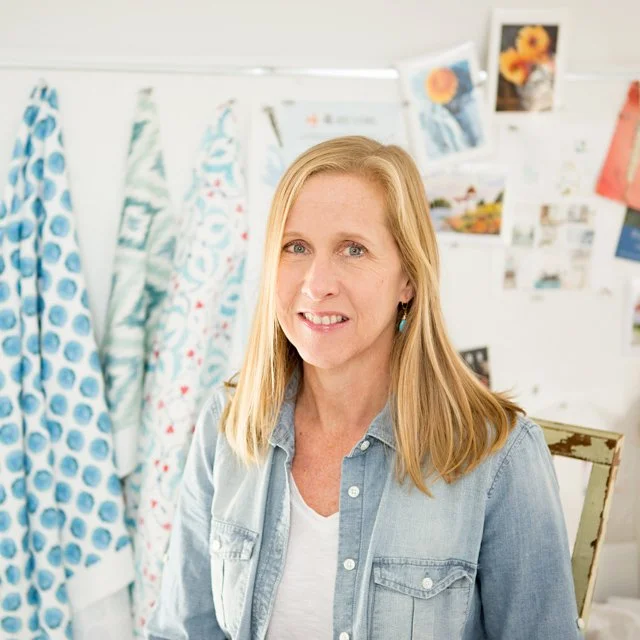
This week’s podcast episode features one of my Advisory Board clients Melissa Hyatt, who is an artist and surface pattern designer. Melissa shares how her career evolved from the corporate design world to entrepreneurship, why she intentionally built multiple revenue streams in her business, and how one unexpected setback became kind of the catalyst for creating a business that's more resilient and also more fulfilling for her.
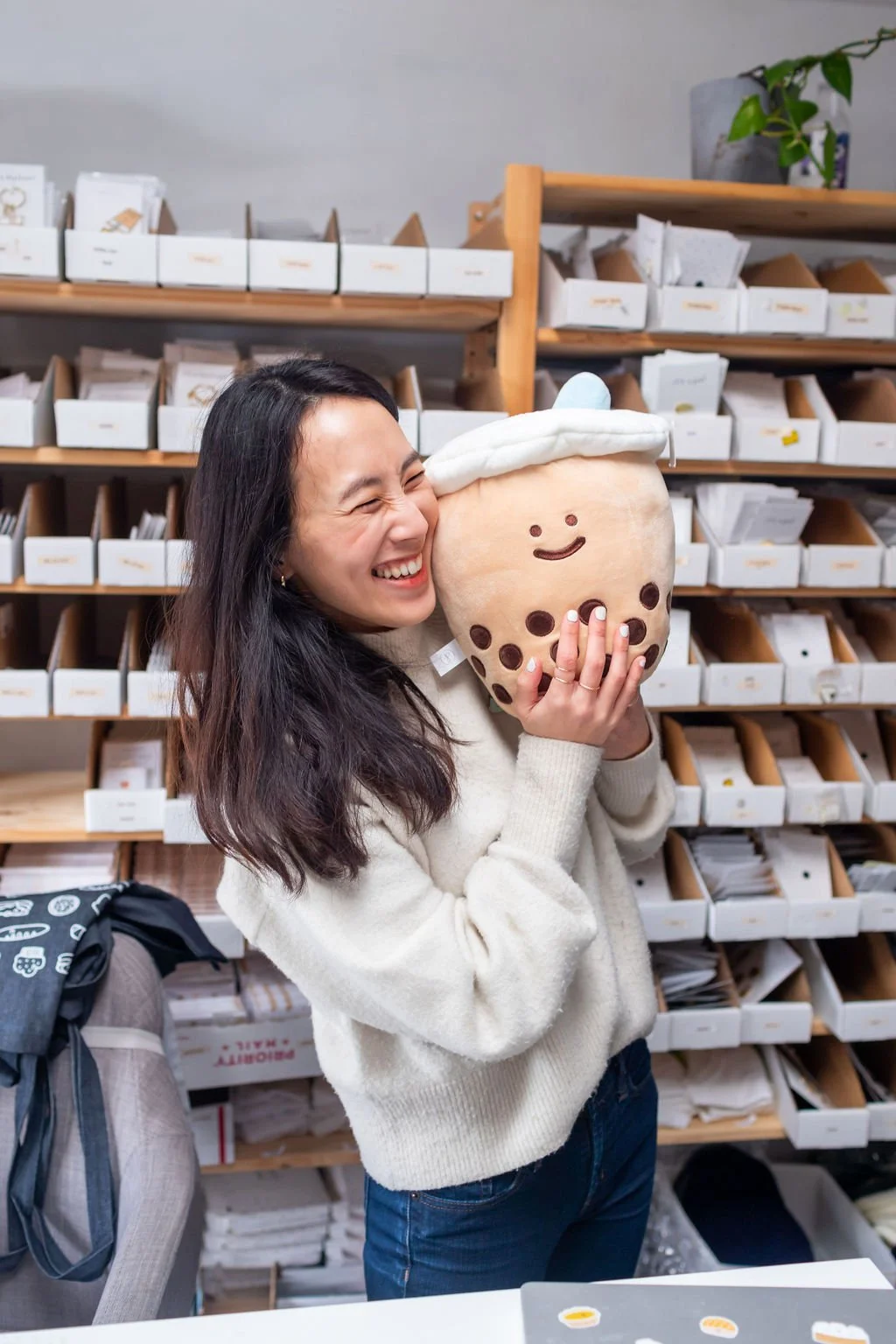
This week’s podcast episode features Kirstie Lee from A Jar of Pickles. We talk about everything from balancing a corporate career while building a product brand to hiring your first employee, expanding into wholesale, building a devoted direct-to-consumer audience, and why treating your business like one big experiment has opened doors to opportunities that Kirstie never even planned for.
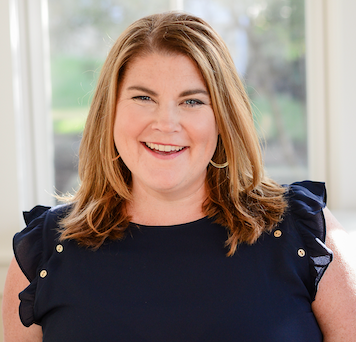
In this episode, wholesale expert Katie Hunt dives into the topic of how many SKUs should you have as a product-based business.
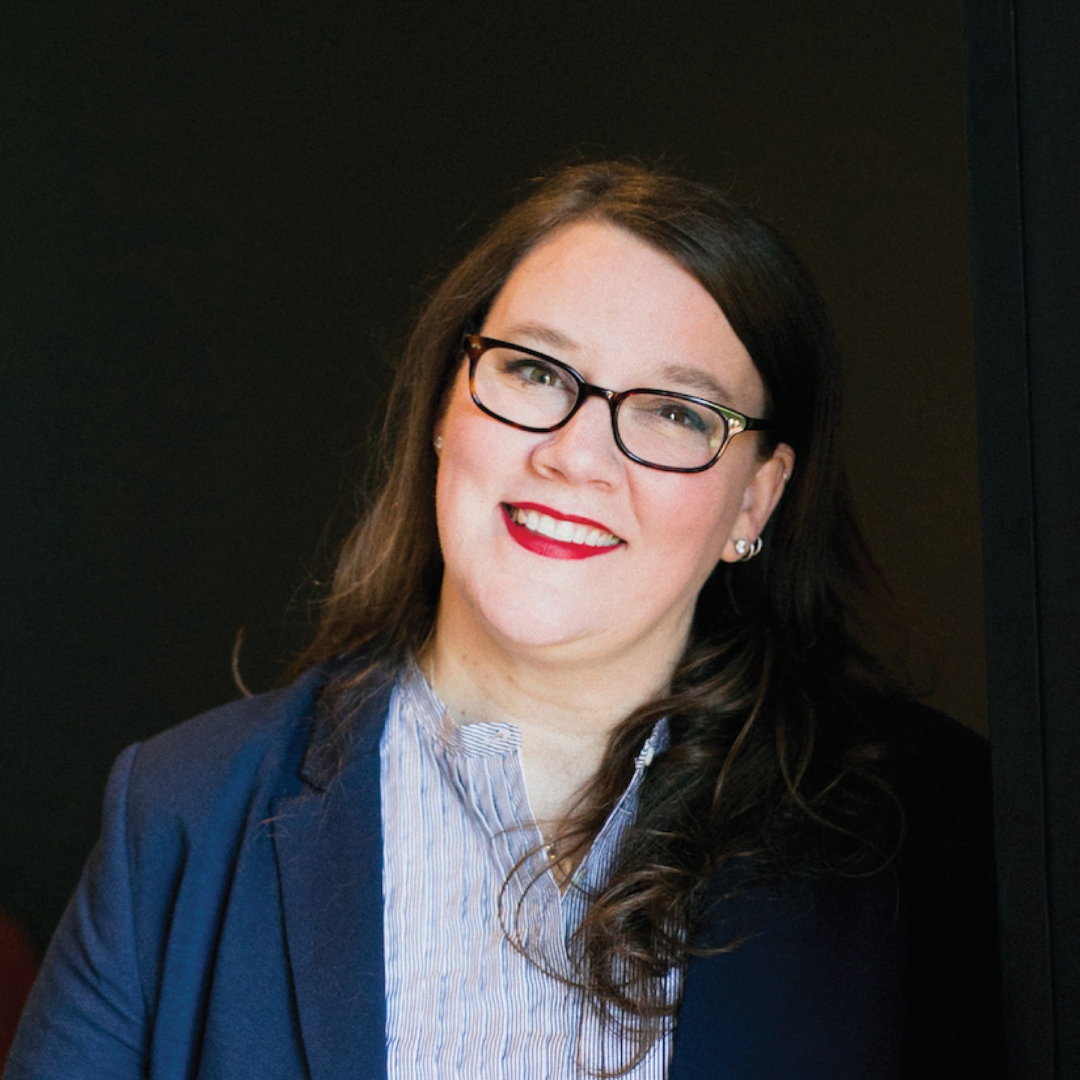
Today I'm joined by my friend Kimberley Yurkiewicz, owner of Measure Twice, an independent gift shop in Brooklyn, New York. In this episode, we are catching up about buying patterns, rising product costs, what brands are getting right and wrong when pitching stores, and why industry standards still matter.
In this episode, wholesale expert Katie Hunt dives into a topic that may make some of you really uncomfortable, but may save your business. We're talking about raising your prices.
This episode I am joined by Daniel Lachman, founder of Justice for Artists. We discuss the realities of art theft in today's digital world and dive into the difference between counterfeits and knockoffs and why this matters more than you think.

During this episode, Angie Chua of bobo designs shares her experience with Amazon adding her products to their Amazon Buy for Me platform without her consent and the steps she’s taken to protect her products and brand.

During this episode, Paper Camp alum Isabella Montano Ghazarians, the founder of Isabella MG and I talk about building products that resonate across cultures, managing a remote team, and the opportunities that have helped bring Isabella's work into big box retailers like Target and HomeGoods.

During this episode, Paper Camp alum Stephanie Clarke of Dahlia Press and Chloe Clarke Paper discusses where she's at now, including the complexities of running two sister businesses. We talk about the importance of building relationships in wholesale and custom work and the realities of juggling multiple business models including, a brick-and-mortar storefront, online sales, wholesale partnerships with big box accounts, and independent retailers.

In this episode, wholesale expert Katie Hunt shares a case study featuring Athletic Brewing and how they doubled their D2C subscription sales in 2025 and how other product business owners can apply the same principles to their own business.

During this episode, Alyson O’Connor of Rust Belt Love shares about a new product launch. We discuss where her inspiration for this collection came from, what it took to bring this product to market, and the logistics of a quick launch.
In this episode, wholesale expert Katie Hunt shares a sneak peek into the LABS coaching program.
In this episode, Katie Hunt shares 10 opportunities that she sees for product business owners in 2025.

383 | Navigating Seasonal Fluctuations in the Gift & Candle Industry with Sarah Hart, Simply Curated
During this episode, Sarah Hart of Simply Curated shares the origins of her candle and home fragrance business, including the pivotal moments and challenges that she faced along the way. She provides insight into the nuances of the candle industry and the unique hurdles that it presents, like seasonal fluctuations in demand and the importance of in-person customer experiences.

During this episode, Bonnie Christine shares how making residual income through art licensing, how it can be lengthy, but also rewarding process, and also a great way to make extra income for your business. We also talk about the importance of being proactive, how to handle rejection as a creative, and a breakdown of how creatives can use an art agent. We'll also cover the benefits of in-house sales team and the evolving impact of AI on art and business.

During this episode, Ashley Sutton talks about her experience participating in the Target Accelerator program, and we talk about how she's been utilizing grants for her business, including how she got started applying for grants, what she looks for, and how these grants have benefited her business. She also shares resources in case you want to get started applying for grants for your business.
![372 | Opening a Retail Store in the Portland International Airport with Victoria Venturi, Paper Epiphanies [Part 2]](https://images.squarespace-cdn.com/content/v1/5c6fe4c07eb88c2f00243613/1732740481778-Y6FIF4OG3DRI4I0406U1/Venturi+Headshot+1.jpg)
During this episode, Victoria Venturi of Paper Epiphanies shares about the process of opening her store in the Portland International Airport.

During this episode, Biff Ulm discusses the importance of patience, iteration, and customer feedback in developing successful products. We also discuss how to leverage data and understand buying behaviors.

In this episode, I walk you through the step-by-step instructions on how to audit your product line, including how to collect the data and what data to collect, analysis and what to look for, as well as how to apply what you're learning from the data to your business moving forward.

During this episode, we're talking with Janine Kwoh and she shares how a key account ordered 4,300 hand-painted cards and how that pushed her to retire and rethink her entire product line. She talks about her decision-making process, how she prepared for the changes, and how she communicated these product changes to her customers.
A wholesale catalog’s purpose is to sell your products, tell your story, and build a relationship with a buyer when you can’t be there with them in person. The goal of your wholesale catalog is to sell your products, and it’s important to build your catalog with your retailer in mind. In this podcast episode, I’m going to go through five quick tips for creating an effective wholesale catalog.

In this episode, you're gonna hear from 9 women who represent a small sampling of our community. They sell a wide range of home decor, jewelry, embroidery, stationery, and consumer gift products. They sell their products to stores big and small across the world.
Have you ever wondered what it's like to attend our Paper Camp program? If so, today's episode is for you!
I am sharing an inside peek into one of our Paper Camp coaching calls. This one is with Alex Gagne of Chez Gagné. Alex has been a longtime member of our Paper Camp community. When she first attended as a student, she had been in business a little less than 2 years.
In this episode, we’re going to dive deep into my personal thoughts on the state of wholesale trade shows in 2024.

In this episode, we’re talking about how Divya is expanding into textiles and home good products. She shares how she plans out her new product releases based on logistics she learned in her corporate job. She also shares how Paper Camp provided her a roadmap for the success she’s had with wholesale.
This episode is going to focus on a new year checklist for your product-based business. I’m going to share 10 things that work for me in hopes that they will work for you, too.
A question recently came up in our community about whether or not you should be doing monthly promotions for wholesale customers. The answer is no, absolutely not, and we’ll get into six reasons why you should not be doing monthly wholesale promotions for your business.

In this episode, Audrey shares her thoughts on in-person trade shows, the rise of Faire as a digital marketplace, and its effects on how she does business as a brick-and-mortar retail shop. She shares her appreciation for email marketing efforts of wholesale brands and also advice she would give her past self now that she’s been in business for 17 years.

In this episode, Zeba shares about the early success of her business, including how she fulfilled orders 1 by 1 on a shared maker space laser cutter to now having a warehouse space that supports multiple laser cutters, a team, and her production space to service again the direct to consumer and wholesale customers. We also talk about the challenges of bringing a new product to market and how she's legally protecting her brand and the products that she creates.
Connect with our community.
Join Proof to Product LABS!
Join Proof to Product LABS!

on the blog
Podcast

Can we talk about product packaging for a minute? You want your products to look unique and stand out from the crowd, but you don’t have to break the bank to do it.
There are so many packaging options available, and it’s important to know when to follow the crowd and use standard packaging and when to get creative and do your own thing.
Ultimately, your product packaging must make it easy for the end customer to understand what your product is and how they can use it. And, from a business standpoint, you want to ensure that your packaging looks great, is scaleable and doesn’t cut into your profit margins. Here’s where to focus.

At TSBC we love hearing success stories from our alumni and getting behind the scenes looks at fun collaborations and unique experiences. Today Jessica Bates, founder of Jack + Ella Paper is here with us to share her amazing story about hosting a Madewell pop-up shop. Jack + Ella is an eco-concious stationery brand based in Wisconsin, and Jessica is sharing her experience collaborating with a local branch of Madewell. Jessica shares how the event came to be, as well as all the details required by both the local and corporate Madewell offices in order to participate. Read on to learn Jessica’s main takeaways from the event, and to see photos of her beautiful display.

DeFrance Printing, a longtime Paper Camp partner, is a favorite go-to printing resource for stationery, catalogs, and more. We asked Ronnie Williams to join us today to share the best ways to make sure your files are ready for printing. When you outsource your printing, it’s important to follow these guidelines to achieve the best results.

Dear Camp Counselors,
How many of each SKU should I have on hand prior to doing a trade show?
– Maggie
Dear Maggie,
First, there is no perfect number of SKUs to strive for. You want a product line that is large enough that buyers can pick and choose, and still hit your opening order amount. As much as we’d like them to, they won’t buy everything in your line.
get started
exhibiting at tradeshows

selling wholesale

scaling my business
This week’s podcast episode features someone I've admired for a long time— artist, author, illustrator, and creative entrepreneur Lisa Congdon. Lisa has been building businesses around her art for nearly 20 years, and in this conversation we talk about something that I think a lot of established brand owners will relate to, and that's what happens when you've built a successful business but you realize it's no longer the business you want to run.